
Domestic Rat Control: Acting Early Makes All the Difference
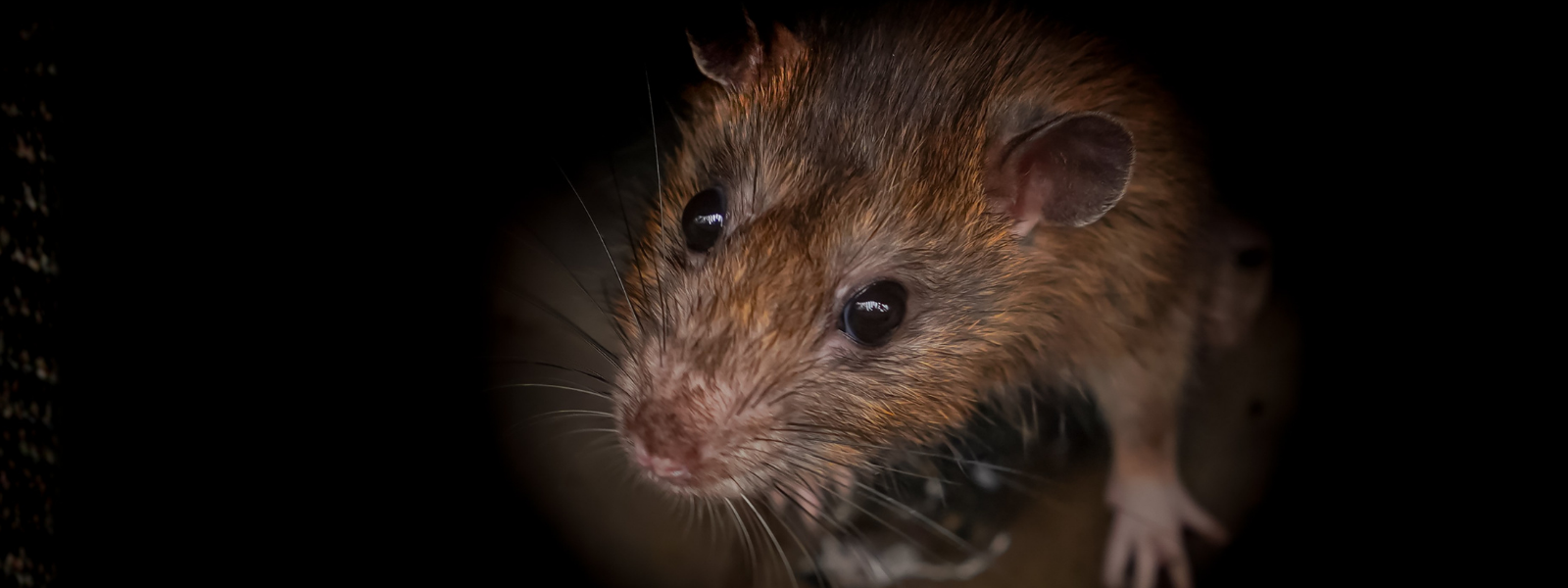
Few homeowners ever expect to discover rats in or around their property, yet they remain one of the UK’s most common pest problems. Whether you live in a city, suburb or rural village, rats are highly adaptable and are constantly searching for food, water and shelter.
A single rat sighting can understandably cause concern, but it’s important to remember that if you’ve seen one rat, there may already be more nearby. Rats are incredibly cautious and tend to stay hidden, especially during daylight hours. By the time they’re visible, an infestation may already be well established.
Knowing what to look for and acting quickly can prevent expensive property damage, protect your family’s health and stop a small issue from becoming a much larger one.
Why Are Rats Attracted to Homes?
Despite being known as outdoor pests, rats regularly find their way into domestic properties. Modern homes provide everything they need to survive, particularly during colder months.
Common attractions include:
- Easily accessible food sources such as pet food, bird feeders and household waste.
- Water from leaking pipes, overflowing gutters or outdoor taps.
- Warm lofts, garages, sheds and cavity walls that provide ideal nesting locations.
- Compost bins and overgrown gardens offering shelter.
Even properties that are clean and well maintained can experience rat problems. Rats are opportunistic and can squeeze through surprisingly small openings to gain access.
What Are The Common Signs You May Have Rats?
Many infestations are first discovered through subtle warning signs rather than actually seeing a rat.
Droppings
Rat droppings are dark, shiny when fresh and approximately the size of an olive stone. They’re commonly found beneath kitchen units, in loft spaces, garages and along walls where rats tend to travel.
Scratching Noises
If you hear scratching, scurrying or gnawing sounds at night, particularly in walls, ceilings or lofts, rodents could be active within your property. Rats are primarily nocturnal, so these noises often become more noticeable after dark.
Gnaw Marks
Rats have teeth that continually grow throughout their lives, meaning they constantly need to chew.
Common damage includes:
- Electrical cables
- Wooden skirting boards
- Plastic pipework
- Cardboard packaging
- Furniture
- Loft insulation
Unfortunately, damaged electrical wiring isn’t just costly—it can also increase the risk of electrical fires.
Grease Marks and Runways
Rats usually follow the same routes repeatedly. As they travel, oils from their fur leave dark smears along skirting boards, walls and pipework. These “rat runs” are a common indicator of ongoing activity.
Nests
Rats build nests using shredded paper, insulation, fabric and other soft materials. These are often hidden in lofts, under floorboards, behind appliances or inside garages and sheds.
Why DIY Rat Control Often Falls Short
There are many products available in DIY stores, but they rarely resolve the underlying problem.
Without identifying how rats are entering the property, removing food sources and locating nesting areas, infestations frequently return.
Homeowners may only eliminate one or two rats while others remain hidden within wall cavities, lofts or beneath floors, continuing to breed.
Professional pest control takes a far more comprehensive approach by identifying the source of the infestation and implementing measures to prevent future activity.
The Hidden Damage Rats Can Cause
Many homeowners focus on the health concerns, but structural damage can often be just as costly.
A prolonged infestation may lead to:
- Damaged electrical wiring
- Chewed plumbing and water pipes
- Destroyed loft insulation
- Damage to stored belongings
- Contaminated food supplies
- Harm to garden buildings and fencing
The longer rats remain undisturbed, the more extensive the damage is likely to become.
Professional Fly Control Solutions
Professional pest control is about much more than simply placing bait.
A thorough inspection helps identify:
- Entry points around the property.
- Nesting locations.
- Contributing environmental factors.
- The extent of the infestation.
- The safest and most effective treatment plan.
Following treatment, advice on proofing your property can significantly reduce the likelihood of rats returning.
Long-term prevention often includes sealing access points, improving waste management, reducing harbourage and addressing maintenance issues around the property.
Don't Ignore the Early Warning Signs
Rats rarely disappear without intervention. In fact, infestations generally become larger and more difficult to manage over time.
If you’ve noticed scratching noises, droppings or signs of gnawing around your property, seeking professional advice early can save significant time, expense and disruption.
At Vector Pest Control, we provide professional domestic rat control services across West Yorkshire, North Yorkshire, East Lancashire, South Yorkshire, Manchester, with extended coverage across the rest of the UK, helping homeowners deal with infestations quickly, safely and discreetly.
Every property is different, which is why we tailor our approach to identify the source of the problem, eliminate the infestation and provide practical advice to help prevent it from returning.