

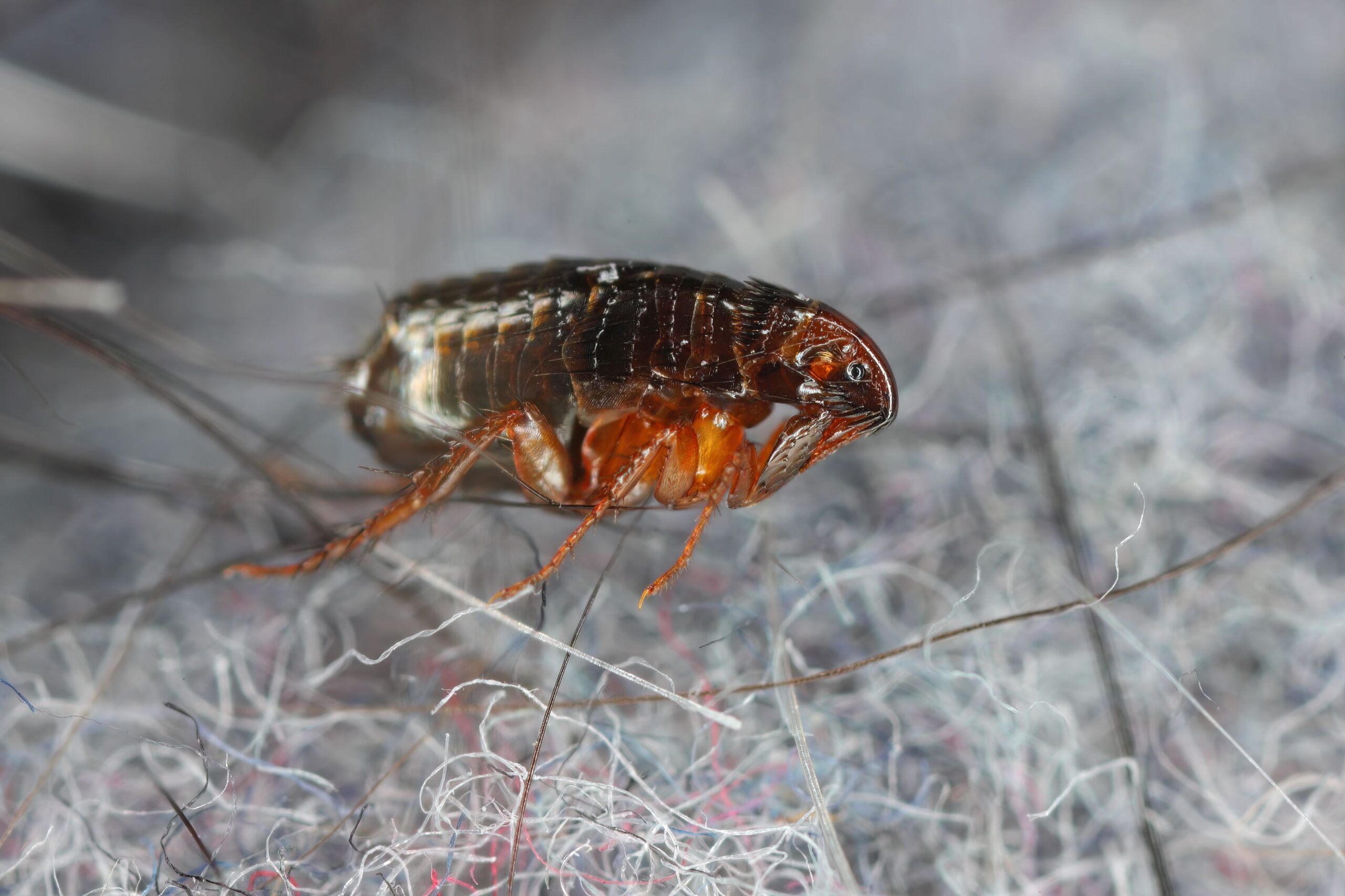
Fleas in Autumn: Why Flea Problems Can Get Worse When the Weather Gets Cooler
Fleas are often thought of as a summer pest. But if you’ve started noticing small bites around your ankles, your pet is scratching more than usual, or you’ve suddenly spotted tiny insects jumping around your carpets, autumn doesn’t necessarily mean the end of flea season.
In fact, the transition from summer into autumn can be a particularly frustrating time for flea problems inside the home.
That’s because fleas can remain hidden within carpets, flooring, furniture and pet bedding for long periods before emerging when the conditions are right.
Why do fleas become a problem in autumn?
Fleas thrive in warm, sheltered environments. While your garden and outdoor areas may become less suitable as temperatures fall, the inside of a heated home provides exactly what fleas need.
Carpets, rugs, sofas, pet beds and gaps between floorboards can all provide suitable places for flea eggs, larvae and pupae to develop.
The problem is that you may not notice a flea infestation when it first begins. Adult fleas are only one part of the infestation.
Eggs, larvae and pupae can be hidden around your home, meaning the fleas you see jumping on your pet or biting your ankles may only represent a small part of the overall problem.
Can fleas survive in a house without pets?
Yes. This is one of the reasons flea infestations can be so confusing.
Fleas commonly enter homes on cats and dogs, but an infestation doesn’t necessarily disappear simply because a pet is treated or leaves the property.
Flea pupae can remain dormant within their protective cocoons and emerge later when they detect movement, warmth or other signs of a potential host.
Rentokil notes that dormant fleas can be stimulated to emerge when homes are heated again in autumn and people become more active indoors.
That means you can potentially discover a flea problem weeks or even months after the original infestation began.
What are the signs of fleas in your home?
Fleas are tiny and fast-moving, so you may not always see them.
Instead, look for the signs they leave behind.
- Small itchy bites
Flea bites can appear as small, itchy red marks.
They are often found around the ankles and lower legs, although fleas can bite other areas of the body.
If you are repeatedly waking up with unexplained bites, fleas are one possible cause.
- Your pet is scratching
If your dog or cat is suddenly scratching, biting or licking its coat more frequently, check them for fleas.
A flea comb can help identify adult fleas or flea dirt.
- Black specks in pet bedding
Flea dirt can look like tiny black or dark brown grains.
It is essentially flea faeces and can sometimes be spotted on pet bedding, carpets or within your pet’s coat.
- Fleas jumping from carpets
Adult fleas can jump surprisingly well.
You may notice them when walking across a carpet, moving furniture or disturbing areas where pets spend a lot of time.
- Bites continue after treating your pet
This is an important warning sign.
If your pet has been treated but people in the household are still being bitten, the infestation may be established within the property itself.
Why treating the pet isn't always enough
One of the biggest misconceptions about fleas is that treating the animal automatically treats the home. It doesn’t. Adult fleas live on animals, but the majority of the flea life cycle takes place away from the host.
Eggs can fall into carpets, furniture and bedding, while larvae develop in protected areas before eventually forming pupae.
This is why a flea infestation can appear to return even after you have treated the animal.
The adult fleas may have been removed, but newly emerging fleas can continue to appear from the environment.
Where do fleas hide?
Fleas can be found in areas where pets spend a lot of time, including:
- Carpets
- Rugs
- Sofas
- Pet beds
- Under furniture
- Floorboard gaps
- Soft furnishings
- Vehicle carpets
- Bedding
- Areas around skirting boards
Don’t forget quieter areas of the home.
If a dog or cat regularly sleeps underneath a bed, behind a sofa or in a particular corner of the room, those areas may contain flea eggs or larvae.
Can you get fleas if you don't have a pet?
Yes. Although cats and dogs are common hosts, fleas can enter properties in other ways.
Previous occupants may have had pets, meaning dormant flea stages could remain in carpets or soft furnishings. Fleas can also be associated with wildlife and other animals around a property.
A home without pets therefore isn’t automatically protected from fleas. If you’re experiencing unexplained bites and can’t find an obvious cause, it’s worth considering fleas alongside other possible pests.
What should you do if you think you have fleas?
Start by identifying whether pets are involved. If you have a dog or cat, speak to your vet or an appropriate animal healthcare professional about suitable flea treatment.
At home, thorough cleaning can help reduce the flea population and remove some of the organic material that flea larvae feed on.
Vacuum carpets, rugs, furniture and areas where your pet sleeps regularly. Wash pet bedding and other washable fabrics according to their care instructions.
However, cleaning alone may not eliminate an established infestation.
Flea pupae are particularly resilient, and simply vacuuming visible fleas won’t necessarily break the entire life cycle.
Why professional flea treatment may be needed
An established flea infestation can require treatment of the environment as well as the animal.
Professional pest control can assess the property and identify the areas most likely to harbour fleas.
Treatment can target the environmental stages of the flea life cycle, helping to deal with the infestation rather than simply the adult fleas you happen to see.
It’s also important to follow any preparation instructions provided by the pest controller, as this can have a significant impact on the effectiveness of treatment.
How long does it take to get rid of fleas?
Flea control isn’t always an instant process. Because fleas develop through several stages, new adult fleas can emerge after an initial treatment.
This doesn’t necessarily mean the treatment hasn’t worked. The aim is to break the life cycle and prevent the infestation from continuing.
Professional pest control companies can advise you on what to expect after treatment and whether any follow-up action is required.
Fleas aren’t just a summer problem
As we move into autumn, it’s easy to assume that insect problems are disappearing with the warmer weather.
But fleas can continue to thrive inside heated homes, and dormant stages can remain hidden until the right conditions trigger them to emerge.
So if you’re finding unexplained bites, your pet is scratching, or you’re seeing tiny jumping insects around your home, don’t automatically dismiss it because summer is over.
Flea problems can follow you into autumn.
Need help with fleas?
Vector Pest Control provides professional pest control for domestic and commercial properties across West Yorkshire, North Yorkshire, East Lancashire, South Yorkshire, Manchester, with extended coverage across the rest of the UK.
If you suspect you have a flea infestation and treating your pet or cleaning the house hasn’t solved the problem, professional treatment can help identify and tackle the source.
Don’t let a small flea problem become an established infestation.