
Cluster Flies in Autumn: Why Are Flies Appearing Inside Your Property?
As autumn arrives and temperatures begin to fall, you may notice flies appearing around windows, gathering on ceilings or becoming more visible in rooms that were previously free from insects.
While it is tempting to assume that all flies are entering through open doors and windows, some species behave differently as the seasons change. Cluster flies, in particular, can become a nuisance during autumn and winter as they seek sheltered places to spend the colder months.
For homeowners and businesses alike, understanding why these flies appear and where they come from can help you take the right steps to manage the problem.
What are cluster flies?
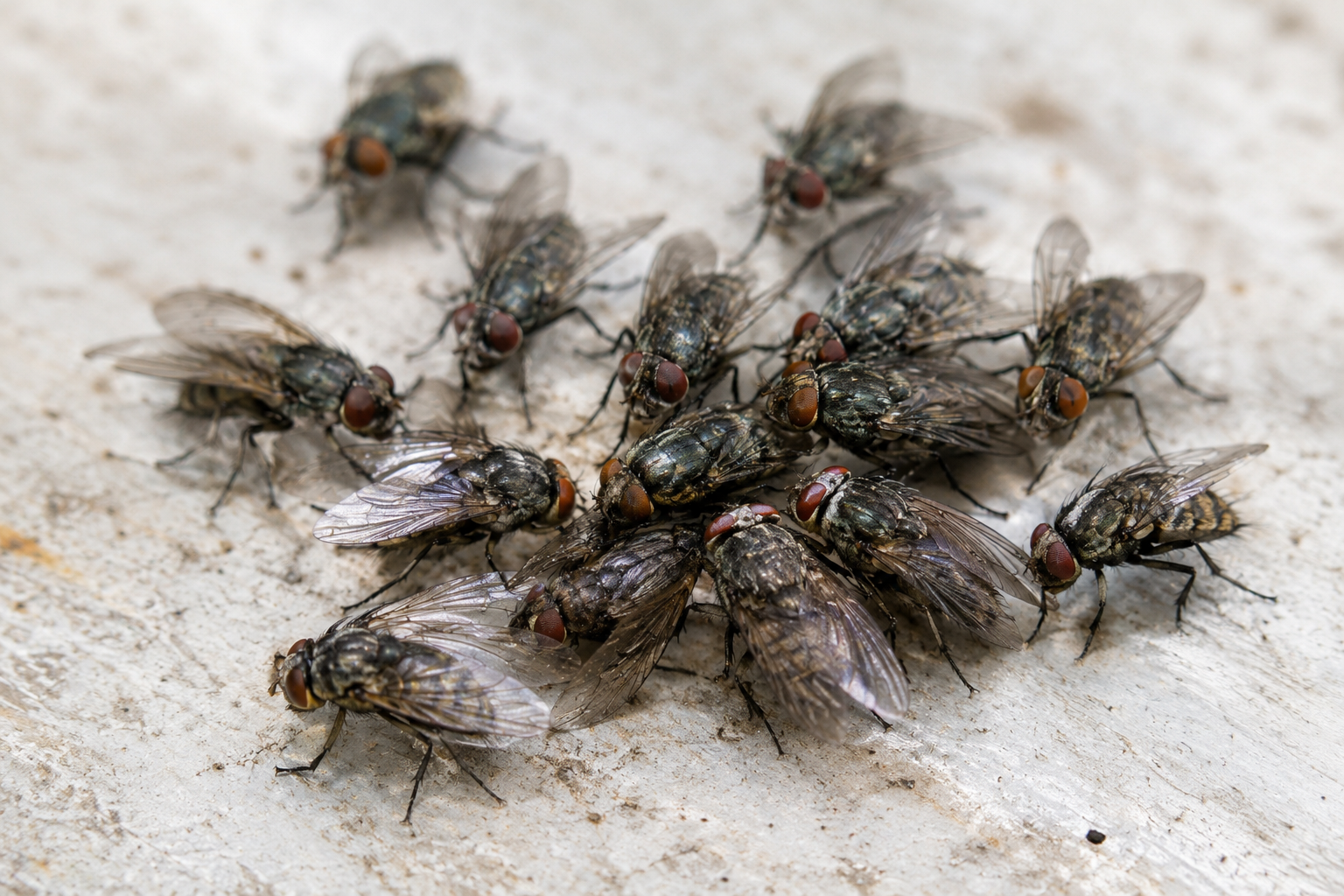
Cluster flies are often mistaken for common houseflies. However, they are a different species with behaviour that makes them particularly noticeable during the colder months.
During warmer weather, adult cluster flies are generally found outdoors. As autumn approaches, they begin seeking sheltered locations where they can remain inactive during winter. Roof spaces, lofts, wall cavities and other protected parts of buildings can provide suitable places to gather.
The name cluster fly comes from their tendency to congregate in large numbers. A property may appear unaffected for much of the year, only for flies to become visible as the weather changes or indoor temperatures rise.
Although cluster flies are generally not associated with the same food contamination risks as some other fly species, large numbers can still be unpleasant and disruptive, particularly in occupied homes and commercial premises.
Why do cluster flies enter buildings in autumn?
The changing weather is a key factor. As outdoor temperatures fall, cluster flies seek shelter from the cold and may exploit small openings around a building’s exterior.
Common areas where they may gain access or gather include:
- Gaps around windows and door frames.
- Cracks in external walls and around rooflines.
- Openings around pipes, cables and other utility connections.
- Loft spaces, roof voids and wall cavities.
- Areas around damaged vents or other openings in the building fabric.
Once inside, cluster flies often gather in spaces that are rarely disturbed. They may remain hidden for long periods before becoming active again, particularly when temperatures fluctuate.
This is why a property can appear to develop a sudden fly problem even when the insects have been present for some time.
How can you tell if you have a cluster fly problem?
The most obvious sign is a repeated appearance of flies indoors, particularly around windows, upper floors and ceilings during autumn and winter.
Other signs may include flies gathering in loft spaces, insects emerging from gaps around window frames, or repeated sightings in the same rooms despite keeping windows and doors closed.
Cluster flies can be sluggish compared with common houseflies, and they may appear in groups rather than as isolated insects. However, identifying a fly based on appearance alone can be difficult, especially when several species look similar.
If flies continue to appear in significant numbers, a professional assessment can help establish which species is involved and where the problem may be originating.
How to reduce the risk of cluster flies entering your property
Prevention is an important part of managing seasonal fly problems. While it may not be possible to eliminate every potential entry point, several practical measures can help reduce the likelihood of flies gaining access.
Inspect windows, doors and external walls
Look for cracks, gaps and damaged seals around windows, doors, vents and utility openings. Repairing these areas can help reduce access for insects as well as other pests.
Check roof spaces and loft areas
Lofts and roof voids can provide sheltered locations for insects to gather. Look for damaged roofline components, gaps around fittings and other openings that may require attention.
If you suspect insects are present in a loft or enclosed space, avoid disturbing large aggregations unnecessarily. A professional assessment can help determine the most appropriate course of action.
Maintain fly screens and ventilation points
Check that existing fly screens are intact and that vents are properly maintained. Any repairs should preserve the ventilation required by the building while reducing unnecessary access for insects.
Avoid relying on repeated indoor cleaning alone
Removing visible flies can improve the immediate situation, but it may not resolve the underlying cause if insects continue to enter or emerge from concealed spaces.
Where sightings keep returning, identifying the source is important. This helps ensure that any treatment or preventative measures address the wider problem rather than just the flies that are visible.
When should you contact a pest control professional?
A small number of flies may not indicate a serious infestation. However, repeated sightings, large clusters or a problem that persists despite preventative measures may warrant further investigation.
This is particularly relevant for commercial premises, where insects can affect staff comfort, customer experience and the general presentation of the building. Offices, hospitality venues, retail premises and other occupied facilities may benefit from a targeted approach that considers both the insects themselves and the building’s potential entry points.
Vector Pest Control provides professional fly control services, helping customers identify and manage fly problems with appropriate treatment and prevention measures. Where necessary, this may include advice on entry points, recommendations for proofing and the servicing or installation of suitable fly control equipment.
Our approach is tailored to the pest, the property and the nature of the problem, helping to address recurring activity rather than simply treating the symptoms.
Don't let seasonal flies become a persistent problem
Cluster flies are a familiar autumn and winter nuisance, but understanding their behaviour can help you recognise the signs early and take action before large numbers become established in your property.
Checking for gaps, maintaining your building and seeking professional advice when sightings persist can all help you manage the problem more effectively.
If you’re experiencing a recurring fly problem at home or in your business, Vector Pest Control can help. Vector Pest Control provides professional pest control services for homes and businesses across West Yorkshire, North Yorkshire, East Lancashire, South Yorkshire, Manchester, with extended coverage across the rest of the UK.
Contact our team on 01943 725831 or email info@vectorpestcontrol.co.uk to discuss your fly control requirements.