Why Pest Monitoring and Prevention Are Essential for Care Homes and Schools
When it comes to pest control, prevention is almost always more effective and considerably less disruptive, than dealing with an established infestation.
For environments such as care homes and schools, the stakes are even higher. These settings are home to some of the most vulnerable members of our communities, where cleanliness, safety and compliance are paramount. A single pest sighting can quickly become more than just an inconvenience; it can affect health, disrupt day-to-day operations and damage the confidence of residents, parents, staff and regulatory bodies.
Rather than waiting until there’s a problem, more organisations are recognising the value of proactive pest monitoring. Regular inspections and preventative measures allow potential issues to be identified long before they become costly or difficult to manage.
Why Care Homes and Schools Are Particularly Vulnerable
Every building has the potential to attract pests, but schools and care homes often provide the conditions that rodents, insects and birds are looking for.
These environments typically have:
- Large kitchens and food preparation areas.
- Dining rooms and communal spaces.
- Regular deliveries of food and supplies.
- Extensive grounds and gardens.
- Older buildings with hidden access points.
- Waste storage areas.
- High levels of daily foot traffic.
None of these factors indicate poor hygiene; they are simply part of operating busy facilities. However, they do increase the importance of having a robust pest management programme in place.
Protecting Those Most at Risk
Children, elderly residents and individuals with underlying health conditions are often more vulnerable to illnesses that pests can help spread.
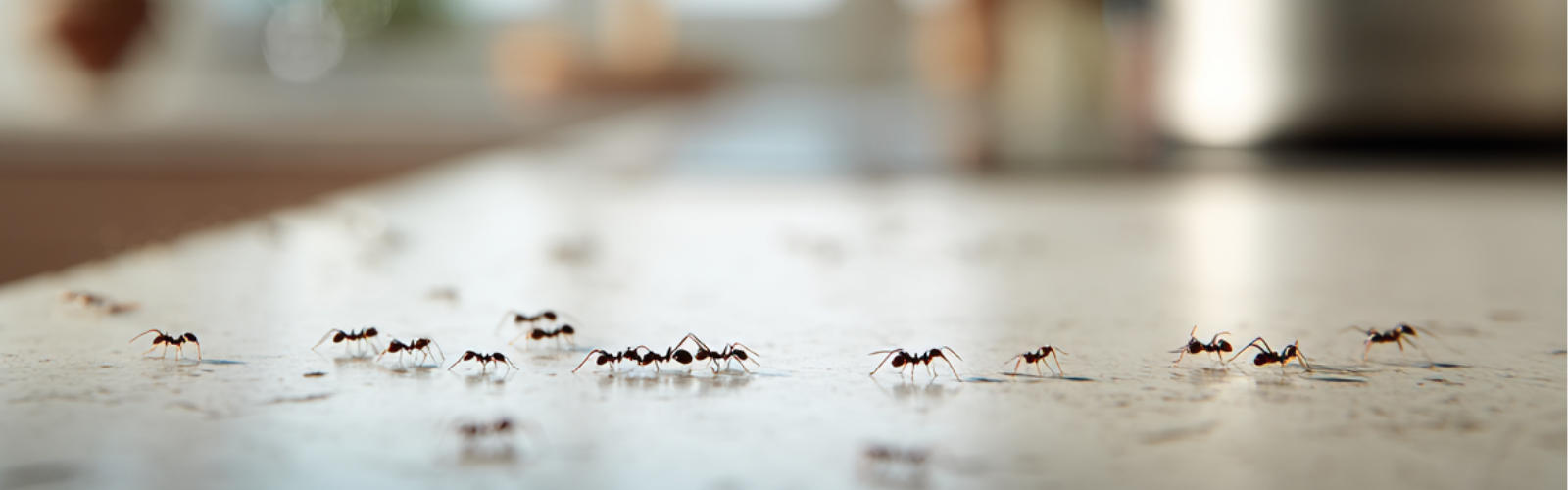
Rodents, cockroaches, flies and birds can all contaminate surfaces, food preparation areas and storage facilities through droppings, urine, feathers or bacteria carried on their bodies.
Pests can contribute to the spread of harmful pathogens, contaminate food supplies and create unhygienic conditions that place both residents and staff at unnecessary risk.
For care providers and educational settings, maintaining a clean, safe environment is not only a moral responsibility but an essential part of delivering high-quality care and education.
Reputation Can Be Damaged in Minutes
Today’s world is highly connected.
If a parent spots a mouse in a classroom or a visitor notices evidence of rodents in a care home, it can quickly become a topic of conversation both online and within the local community.
Even if the issue is resolved promptly, public confidence can take much longer to rebuild.
For organisations that rely on trust, reputation is one of their most valuable assets. Investing in preventative pest management demonstrates a commitment to maintaining the highest possible standards.
Compliance Matters More Than Ever
Schools, academies, nurseries and care homes all have responsibilities to maintain safe, hygienic premises.
While regulations differ depending on the type of organisation, effective pest management forms part of wider health and safety, environmental health and food hygiene responsibilities.
Should an inspection take place following evidence of pest activity, organisations may be asked to demonstrate the measures they have in place to monitor and manage potential risks.
Keeping accurate inspection records and partnering with a professional pest control provider can help demonstrate due diligence and a proactive approach.
The Value of Regular Pest Monitoring
Many people think pest control begins when rodents or insects are discovered.
In reality, the most effective programmes are designed to stop pests from becoming established in the first place.
Routine monitoring allows pest control professionals to identify:
- Early signs of rodent activity.
- Potential entry points around buildings.
- Seasonal pest trends.
- Environmental factors increasing risk.
- Areas requiring proofing or maintenance.
Addressing these issues early is typically faster, more cost-effective and far less disruptive than dealing with a full infestation.
Integrated Pest Management: A Smarter Approach
Modern commercial pest control is no longer just about treating infestations.
Integrated Pest Management (IPM) focuses on understanding why pests are attracted to a site and reducing those risks through a combination of monitoring, proofing, housekeeping and targeted treatments where necessary.
This preventative approach provides long-term protection while minimising disruption to residents, pupils and staff.
An effective IPM programme may include:
- Scheduled inspections.
- Monitoring stations.
- Site risk assessments.
- Recommendations for proofing works.
- Waste management advice.
- Hygiene and housekeeping guidance.
- Responsive treatment if activity is detected.
The result is a more sustainable and effective way of managing pest risks.
Working in Sensitive Environments
Care homes and schools require a different approach to many commercial premises.
Treatments must be carefully planned to minimise disruption while maintaining the highest standards of safety.
Professional pest control technicians understand the importance of working discreetly, communicating clearly with site managers and selecting appropriate treatment methods for occupied buildings.
This ensures that any necessary work is carried out safely, efficiently and with minimal impact on daily operations.
Prevention Is More Cost-Effective Than Reactive Treatment
It’s easy to see pest monitoring as another maintenance cost, but it should really be viewed as an investment in protecting your premises.
Regular inspections can help avoid:
- Emergency call-outs.
- Temporary room or area closures.
- Food contamination.
- Property damage.
- Regulatory concerns.
- Negative publicity.
- Increased treatment costs associated with larger infestations.
By identifying problems early, organisations often save significant time, money and operational disruption.
Choosing the Right Pest Control Partner
Every care home, school and educational setting is different, which is why pest management should never be a one-size-fits-all service.
A professional pest control partner will take the time to understand how your premises operate, identify potential risks and develop a tailored monitoring programme that fits your environment.
The objective isn’t simply to eliminate pests, it’s to prevent them from becoming a problem in the first place.
At Vector Pest Control, we work with care homes, schools and other sensitive environments across West Yorkshire, North Yorkshire, East Lancashire, South Yorkshire, Manchester, with extended coverage across the rest of the UK, delivering proactive pest monitoring and rapid response services that help organisations maintain safe, hygienic and compliant premises. Through regular inspections, preventative advice and professional support, we help our clients protect the people who matter most.